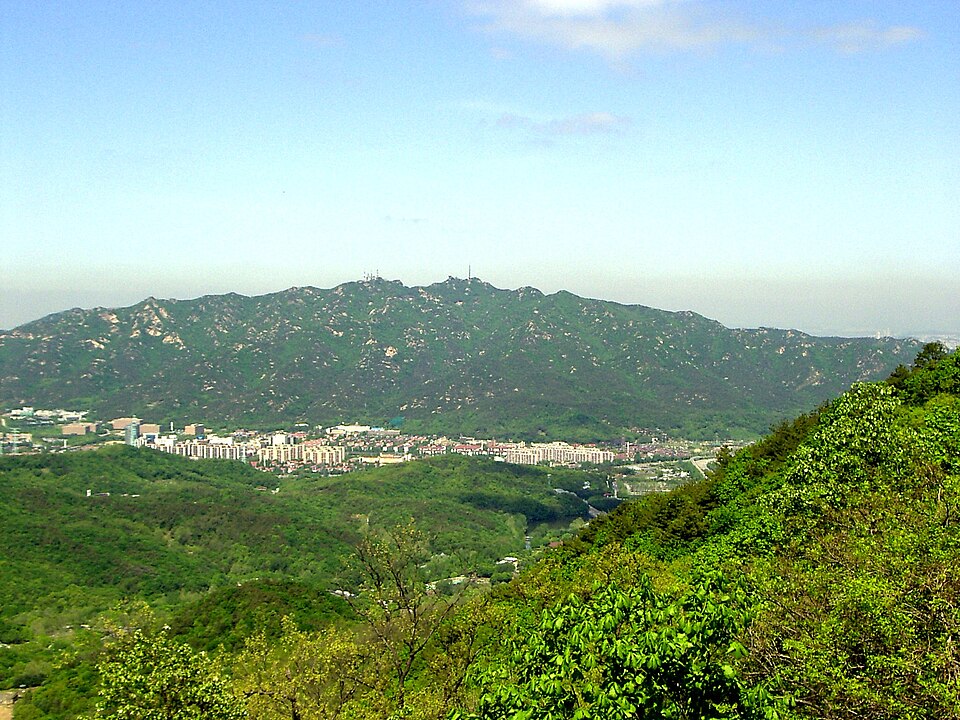
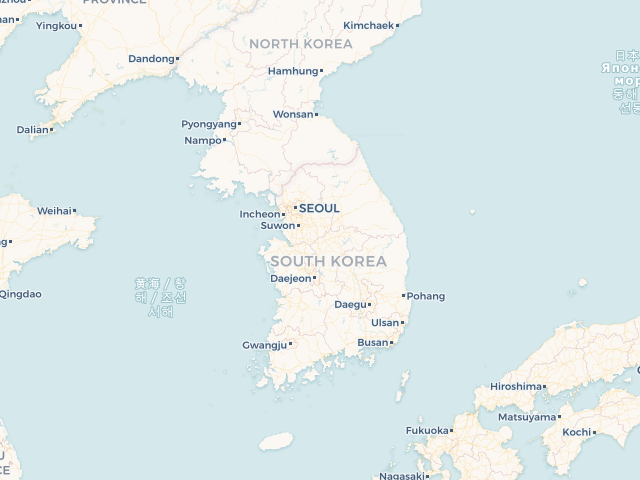
Seoul K-culture, Jeju Island, and temple stays. As part of East Asia in Asia, South Korea suits travelers drawn to big cities and historic. Use this guide to plan where to go, when to visit, and how to structure your days.
Start exploring.
Best time to visit: Apr – Jun, Sep – Nov
Seoul
Seoul pairs well with nearby highlights on a East Asia route through South Korea.
Busan
Busan pairs well with nearby highlights on a East Asia route through South Korea.
Jeju
Plan at least a full day in Jeju to enjoy its main sights, local food, and surrounding scenery.
Gyeongju
Gyeongju pairs well with nearby highlights on a East Asia route through South Korea.
What it is known for
facts
Gyeongbokgung Palace guards in Seoul
Jeju Island volcanic craters and haenyeo divers
Busan Gamcheon Culture Village hillside alleys
K-pop, K-drama, and street food in Myeongdong
Kimchi, bibimbap, Korean BBQ, and soju
key City
name
Seoul
label
Capital
why
Palaces, neon districts, DMZ tours, and KTX trains to Busan radiate from one of Asia's most dynamic capitals.
Places to visit
area
Seoul
attractions
name
Gyeongbokgung Palace
duration
2-3 hours
book Ahead
Book timed entry 2-4 weeks ahead for popular palaces in peak season.
Land in Seoul, check into your stay, and take an easy orientation walk. Try a well-rated local restaurant to start your South Korea trip.
day
2
title
Explore Busan
description
Dedicate the day to Busan: main landmarks, neighborhoods, and a signature local experience before continuing your route.
day
3
title
Jeju and farewell
description
Spend your final day in Jeju visiting any missed sights, picking up souvenirs, and preparing for departure.
title
Classic South Korea
duration
7 days
locations
Seoul
Busan
Jeju
Gyeongju
highlights
Cover Seoul and Busan
Explore Jeju
Explore Gyeongju
best For
Urban explorers and culture fans
days
day
1
title
Arrive in Seoul
description
Land in Seoul, check into your stay, and take an easy orientation walk. Try a well-rated local restaurant to start your South Korea trip.
day
2
title
Explore Busan
description
Dedicate the day to Busan: main landmarks, neighborhoods, and a signature local experience before continuing your route.
day
3
title
Explore Jeju
description
Dedicate the day to Jeju: main landmarks, neighborhoods, and a signature local experience before continuing your route.
day
4
title
Gyeongju and farewell
description
Spend your final day in Gyeongju visiting any missed sights, picking up souvenirs, and preparing for departure.
title
South Korea Beaches & Coast
duration
5 days
locations
Jeju
Gyeongju
highlights
Coastal day in Jeju
Coastal day in Gyeongju
best For
Sun seekers, swimmers, and coastal road trips
days
day
1
title
Arrive in Jeju
description
Check in near the shore and take a relaxed walk along the waterfront. Swim or sunbathe if conditions allow, then settle into a seaside dinner in Jeju.
day
2
title
Gyeongju and farewell
description
Enjoy a final beach morning in Gyeongju, visiting Bulguksa Temple, Seokguram Grotto, Cheomseongdae Observatory before you depart South Korea.
title
South Korea Countryside
duration
5 days
locations
Seoul
Busan
Jeju
highlights
Rural stop: Seoul
Rural stop: Busan
Rural stop: Jeju
best For
Nature lovers, hikers, and slow travel
days
day
1
title
Arrive in Seoul
description
Reach Seoul, drop bags at a rural stay, and take a short walk through nearby villages or trails to get oriented.
day
2
title
Busan countryside
description
Explore Busan at an easy pace: Gamcheon Culture Village, Haedong Yonggungsa Temple, Haeundae Beach with a focus on open landscapes away from the crowds.
day
3
title
Jeju and farewell
description
Wrap up with a slow morning in Jeju, stopping at Seongsan Ilchulbong, Manjanggul Lava Tube, Cheonjiyeon Waterfall before heading home.
title
South Korea Monuments & Hot Spots
duration
5 days
locations
Gyeongju
Seoul
Busan
highlights
Must-see: Bulguksa Temple
Must-see: Seokguram Grotto
Must-see: Gyeongbokgung Palace
Must-see: Bukchon Hanok Village
best For
Sightseeing, history buffs, and first-time landmark hunters
days
day
1
title
Icons of Gyeongju
description
Start in Gyeongju with Bulguksa Temple, Seokguram Grotto, Cheomseongdae Observatory, buying timed tickets ahead when possible and finishing with a walk through the historic center.
day
2
title
Seoul monuments
description
Focus on Seoul's tourist favorites: Gyeongbokgung Palace, Bukchon Hanok Village, N Seoul Tower with breaks for local food between sights.
day
3
title
Busan landmarks and farewell
description
Catch any remaining must-sees in Busan, including Gamcheon Culture Village, Haedong Yonggungsa Temple, Haeundae Beach, before your departure.
When to go & typical weather
summary
April through June and September through November showcase cherry blossoms or autumn foliage in Seoul and Busan, with comfortable temperatures for palace tours and Jeju Island hikes. Avoid monsoon July-August and bitter winter unless visiting ski resorts.
Apr cherry blossom peak and Oct foliage draw domestic crowds.
Jul-Aug monsoon and typhoon risk; humid and rainy.
Jan-Feb cold in Seoul (-5 to 5°C / 23-41°F); ice festivals in Gangwon.
Chuseok (Sep-Oct) and Lunar New Year affect transport and hotel rates.
most Affordable
period
Jul – Aug
summary
Monsoon and typhoon season offers South Korea's lowest Seoul hotel rates when cherry blossom and foliage peaks pass and domestic travel shifts to beaches.
Jeju island resorts cut rates during typhoon season risk.
Korean Air and Asiana fares often lower in monsoon months.
most Expensive
period
Apr – Oct
summary
Cherry blossom, Chuseok holiday, and autumn foliage seasons drive South Korea's highest hotel rates when Seoul and Jeju fill at peak domestic travel demand.
details
Cherry blossom peak (Apr) Seoul hotels sell out at premium rates.
Chuseok (Sep-Oct) spikes nationwide transport and hotel demand.
Oct foliage season Jeju and Seoraksan accommodation premium.
Lunar New Year (Jan-Feb) equally expensive for domestic travel.
Airports & arrivals
summary
Incheon International Airport serves Seoul; Gimpo handles regional flights.
airports
name
Incheon International Airport
code
ICN
location
Incheon, serving Seoul
distance From Center
50 km (31 mi) west of central Seoul
transfer Note
AREX train reaches Seoul Station in about 50 minutes
name
Gimpo International Airport
code
GMP
location
Seoul
distance From Center
15 km (9 mi) west of central Seoul
transfer Note
Subway line 5 and 9 reach the city
Getting around
overview
Koreans use KTX high-speed rail, metro in Seoul and Busan, and buses; Kakao T dominates ride-hailing.
South Korea blends Confucian respect for elders with K-culture modernity and tech-first payments. Bowing and two-hand giving receive items matter. Drinking etiquette with soju includes turning away when drinking with elders.
customs
Remove shoes in homes and some traditional restaurants.
Age hierarchy affects seating and pouring drinks.
Quiet behavior on subways is strongly expected.
dos
Use T-money cards for transit in Seoul.
Say annyeonghaseyo and gamsahamnida in shops.
Receive with both hands from elders when possible.
Tip is not expected at most restaurants.
Book popular BBQ spots and palaces ahead on weekends.
donts
Do not write names in red ink.
Do not stick chopsticks upright in rice.
Do not speak loudly on subways and buses.
Do not fly drones near DMZ, airports, or crowds without permits.
Do not assume all palaces allow hanbok rental photography everywhere without rules.
Useful travel phrases
language
Korean
phrases
english
Please
local
부탁합니다
pronunciation
Butakhamnida
english
Thank you
local
감사합니다
pronunciation
Gamsahamnida
english
Yes
local
네
pronunciation
Ne
english
No
local
아니요
pronunciation
Aniyo
english
How much?
local
얼마예요?
pronunciation
Eolmayeyo?
english
Where is the nearest restaurant or bar?
local
가장 가까운 식당이나 바가 어디예요?
pronunciation
Gajang gakkaun sikdangina baga eodiyeyo?
english
Where is the airport?
local
공항이 어디예요?
pronunciation
Gonghangi eodiyeyo?
english
I need help
local
도움이 필요해요
pronunciation
Doumi piryohaeyo
english
I need a hospital
local
병원이 필요해요
pronunciation
Byeongwoni piryohaeyo
english
Call the police
local
경찰을 불러 주세요
pronunciation
Gyeongchareul bulleo juseyo
Longer stays
visa Summary
U.S. citizens may enter South Korea visa-free for up to 90 days for tourism under the Korea-US Visa Waiver Program. E-series work visas, F-series residence visas for spouses and long-term residents, and points-based F-2-7 visas support longer stays through employment or qualifying status. Korea adjusts visa categories and K-ETA requirements periodically, so verify with Hi Korea and consulates.
Practical tips.
Carry a T-money card for subways and buses in Seoul because transfers are cheaper than buying single tickets repeatedly.
Book N Seoul Tower, DMZ tours, and popular BBQ spots online because walk-in waits can exceed two hours.
Download Papago or Naver Map because Google Maps routing is limited for walking and transit in Korea.