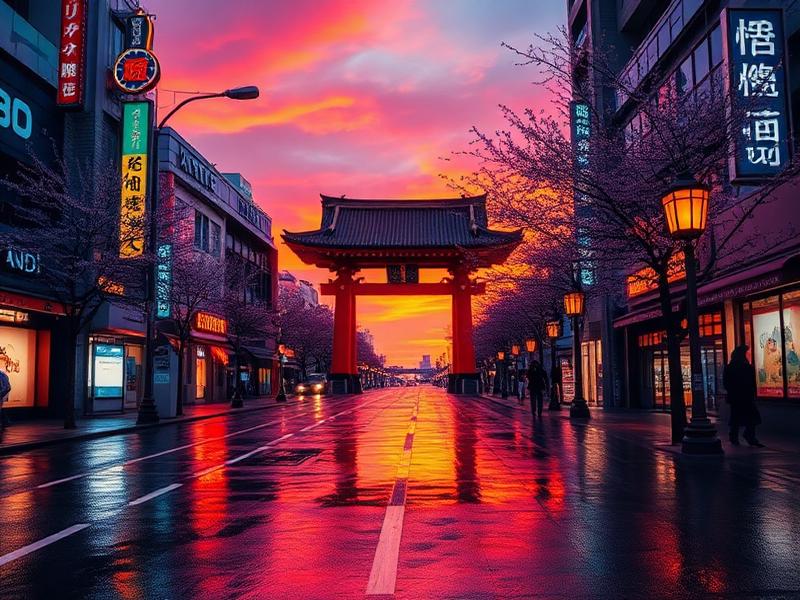
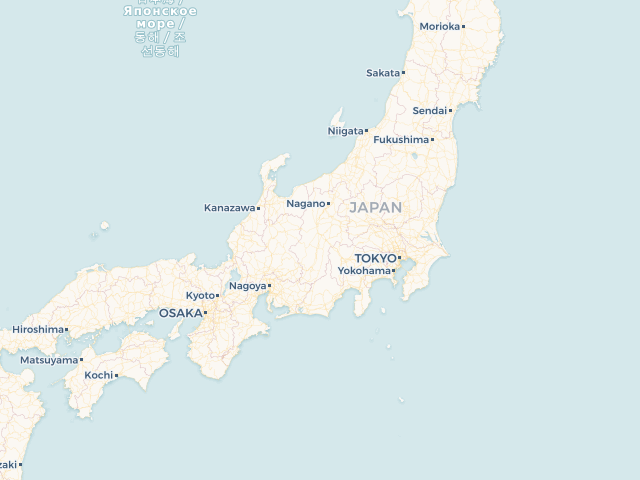
Tokyo neon, Kyoto temples, and alpine onsen. As part of East Asia in Asia, Japan suits travelers drawn to big cities and historic. Use this guide to plan where to go, when to visit, and how to structure your days.
Start exploring.
Best time to visit: Mar – May, Oct – Nov
Tokyo
Tokyo pairs well with nearby highlights on a East Asia route through Japan.
Kyoto
Kyoto pairs well with nearby highlights on a East Asia route through Japan.
Osaka
Osaka pairs well with nearby highlights on a East Asia route through Japan.
Hakone
Hakone is a favorite stop for travelers exploring Japan, with plenty to see on foot or by local transit.
What it is known for
facts
Cherry blossom season hanami picnics in parks
Kyoto's geisha district and golden Kinkaku-ji
Mount Fuji views from Hakone and the Five Lakes
Tokyo neon districts of Shibuya and Shinjuku
Sushi, ramen, tempura, and kaiseki multi-course meals
key City
name
Tokyo
label
Capital
why
The world's largest metro area blends ancient shrines with bullet-train hubs linking Kyoto, Osaka, and the Japanese Alps.
Land in Tokyo, check into your stay, and take an easy orientation walk. Try a well-rated local restaurant to start your Japan trip.
day
2
title
Explore Kyoto
description
Dedicate the day to Kyoto: main landmarks, neighborhoods, and a signature local experience before continuing your route.
day
3
title
Osaka and farewell
description
Spend your final day in Osaka visiting any missed sights, picking up souvenirs, and preparing for departure.
title
Classic Japan
duration
7 days
locations
Tokyo
Kyoto
Osaka
Hakone
highlights
Cover Tokyo and Kyoto
Explore Osaka
Explore Hakone
best For
Urban explorers and culture fans
days
day
1
title
Arrive in Tokyo
description
Land in Tokyo, check into your stay, and take an easy orientation walk. Try a well-rated local restaurant to start your Japan trip.
day
2
title
Explore Kyoto
description
Dedicate the day to Kyoto: main landmarks, neighborhoods, and a signature local experience before continuing your route.
day
3
title
Explore Osaka
description
Dedicate the day to Osaka: main landmarks, neighborhoods, and a signature local experience before continuing your route.
day
4
title
Hakone and farewell
description
Spend your final day in Hakone visiting any missed sights, picking up souvenirs, and preparing for departure.
title
Japan Beaches & Coast
duration
5 days
locations
Tokyo
Kyoto
Osaka
highlights
Coastal day in Tokyo
Coastal day in Kyoto
Coastal day in Osaka
best For
Sun seekers, swimmers, and coastal road trips
days
day
1
title
Arrive in Tokyo
description
Check in near the shore and take a relaxed walk along the waterfront. Swim or sunbathe if conditions allow, then settle into a seaside dinner in Tokyo.
day
2
title
Kyoto coast
description
Spend the day on Kyoto's shoreline: Fushimi Inari Shrine, Kinkaku-ji (Golden Pavilion), Arashiyama Bamboo Grove, with time for cafés, boat trips, or sunset views.
day
3
title
Osaka and farewell
description
Enjoy a final beach morning in Osaka, visiting Osaka Castle, Dotonbori, Universal Studios Japan before you depart Japan.
title
Japan Countryside
duration
7 days
locations
Tokyo
Kyoto
Osaka
Hakone
highlights
Rural stop: Tokyo
Rural stop: Kyoto
Rural stop: Osaka
Rural stop: Hakone
best For
Nature lovers, hikers, and slow travel
days
day
1
title
Arrive in Tokyo
description
Reach Tokyo, drop bags at a rural stay, and take a short walk through nearby villages or trails to get oriented.
day
2
title
Kyoto countryside
description
Explore Kyoto at an easy pace: Fushimi Inari Shrine, Kinkaku-ji (Golden Pavilion), Arashiyama Bamboo Grove with a focus on open landscapes away from the crowds.
day
3
title
Osaka countryside
description
Explore Osaka at an easy pace: Osaka Castle, Dotonbori, Universal Studios Japan with a focus on open landscapes away from the crowds.
day
4
title
Hakone and farewell
description
Wrap up with a slow morning in Hakone, stopping at Lake Ashi, Owakudani Valley, Hakone Open-Air Museum before heading home.
title
Japan Monuments & Hot Spots
duration
7 days
locations
Tokyo
Osaka
Hakone
Kyoto
highlights
Must-see: Senso-ji Temple
Must-see: Shibuya Crossing
Must-see: Osaka Castle
Must-see: Dotonbori
best For
Sightseeing, history buffs, and first-time landmark hunters
days
day
1
title
Icons of Tokyo
description
Start in Tokyo with Senso-ji Temple, Shibuya Crossing, Tokyo Skytree, buying timed tickets ahead when possible and finishing with a walk through the historic center.
day
2
title
Osaka monuments
description
Focus on Osaka's tourist favorites: Osaka Castle, Dotonbori, Universal Studios Japan with breaks for local food between sights.
day
3
title
Hakone monuments
description
Focus on Hakone's tourist favorites: Lake Ashi, Owakudani Valley, Hakone Open-Air Museum with breaks for local food between sights.
day
4
title
Kyoto landmarks and farewell
description
Catch any remaining must-sees in Kyoto, including Fushimi Inari Shrine, Kinkaku-ji (Golden Pavilion), Arashiyama Bamboo Grove, before your departure.
When to go & typical weather
summary
March through May and October through November showcase Japan at its best, with cherry blossoms or autumn maples framing temples in Kyoto and Tokyo. Mild temperatures suit walking tours, onsen towns, and hiking in the Japanese Alps without summer humidity or typhoon disruption.
All-in-one pass for foreign tourists on JR trains nationwide, including many shinkansen routes, airport links, and selected buses and ferries operated by JR.
ticketing
Buy an exchange voucher before travel and activate in Japan; reserve seats for popular shinkansen departures.
Japan values harmony, queue discipline, and seasonal ritual, from bowing to shoe removal. Cities are precise; rural onsen towns have strict bath rules. Speaking quietly on transit is a near-universal expectation.
customs
Bow slightly when greeting in service settings.
Remove shoes where genkan entry areas or tatami rooms indicate.
Onsen bathing requires full rinse before entering shared pools.
dos
Carry cash; many small shops are cash-first.
Use IC cards for trains and buses in major cities.
Say sumimasen and arigato in shops and restaurants.
Queue orderly for trains, elevators, and popular restaurants.
Carry a modest wrap for onsen tattoos if required by facility rules.
donts
Do not talk loudly on phones in trains and buses.
Do not tip at restaurants; it can confuse staff.
Do not stick chopsticks upright in rice bowls.
Do not eat while walking in formal shopping streets in Kyoto.
Do not fly drones in crowded urban areas without registration.
Useful travel phrases
language
Japanese
phrases
english
Please
local
お願いします
pronunciation
Onegaishimasu
english
Thank you
local
ありがとう
pronunciation
Arigato
english
Yes
local
はい
pronunciation
Hai
english
No
local
いいえ
pronunciation
Iie
english
How much?
local
いくらですか?
pronunciation
Ikura desu ka?
english
Where is the nearest restaurant or bar?
local
一番近いレストランかバーはどこですか?
pronunciation
Ichiban chikai resutoran ka ba wa doko desu ka?
english
Where is the airport?
local
空港はどこですか?
pronunciation
Kuko wa doko desu ka?
english
I need help
local
助けが必要です
pronunciation
Tasuke ga hitsuyo desu
english
I need a hospital
local
病院が必要です
pronunciation
Byoin ga hitsuyo desu
english
Call the police
local
警察を呼んでください
pronunciation
Keisatsu o yonde kudasai
Longer stays
visa Summary
U.S. citizens may enter Japan visa-free for tourism and short business stays, typically up to 90 days depending on passport type. Work visas, spouse visas, highly skilled professional visas, and permanent residence require employer or family sponsorship and residence card registration. Japan adjusts visa categories and income thresholds periodically, so confirm with the Ministry of Foreign Affairs and Immigration Services Agency.
Practical tips.
Buy a JR Pass or regional rail pass before arrival if you plan long-distance shinkansen trips during a short visit.
Carry cash because many ramen shops, shrines, and rural inns still do not accept credit cards.
Reserve popular restaurants and teamLab tickets online because walk-in waits can exceed two hours in Tokyo.